
September 9, 2026
Off the Clock: Why a Rolled Dog Collar Leather Beats a Flat One
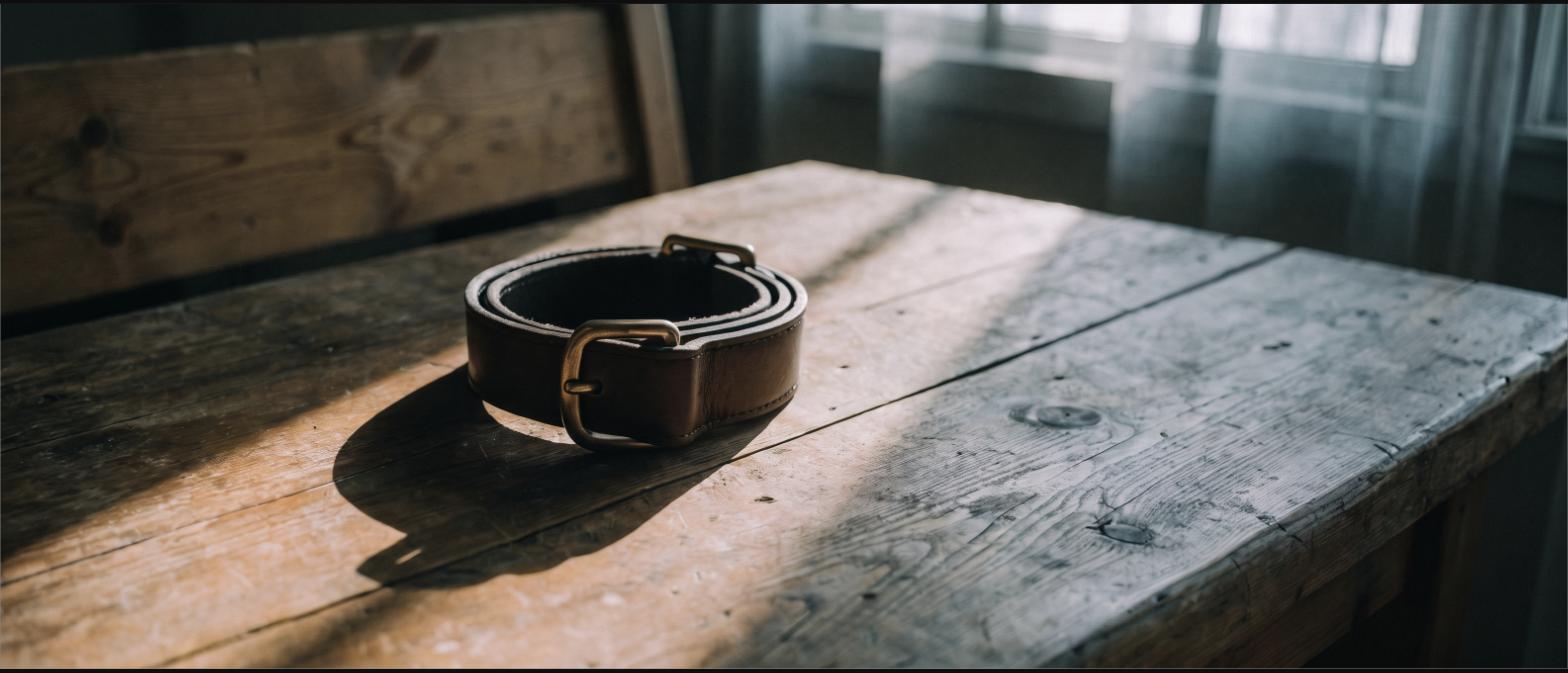
Most of the trades people we work alongside in Bentonville have a dog somewhere in the picture. Riding in the truck, waiting by the shop door, following someone around the yard on a Saturday. And if you spend your working life judging whether a part is built right, you tend to apply the same eye to everything else you buy. Which brings us to a small piece of hardware most people never think twice about: the collar.
Flat Versus Rolled
A flat collar is a strip of leather or webbing, wide and flat against the neck. A rolled collar is a strip stitched around into a round cord, so the section touching the dog is a smooth cylinder rather than an edge.
That sounds like a cosmetic difference. It is not. A flat collar presents two edges to the coat and lies the hair down flat underneath it. A rolled collar lets the coat move around it. On a short-coated dog it barely matters. On anything with feathering or a long silky coat, it is the difference between a neat ruff and a permanent band of broken, matted hair where the collar sits.
Who Actually Benefits

Setters, retrievers, spaniels, collies, anything with a long coat around the neck. Owners of those breeds tend to discover rolled collars after a year of wondering why there is a worn stripe through an otherwise beautiful ruff.
It is worth being straight about the counter-argument, though, because there is one. A rolled collar concentrates its contact on a smaller area of the neck, so for a strong dog that pulls hard on lead, a wider flat collar or a harness spreads the load better. Plenty of people run both: a rolled collar for everyday wear and tags, something wider for training walks. That is the sensible answer rather than the marketing one.
What Makes a Good One
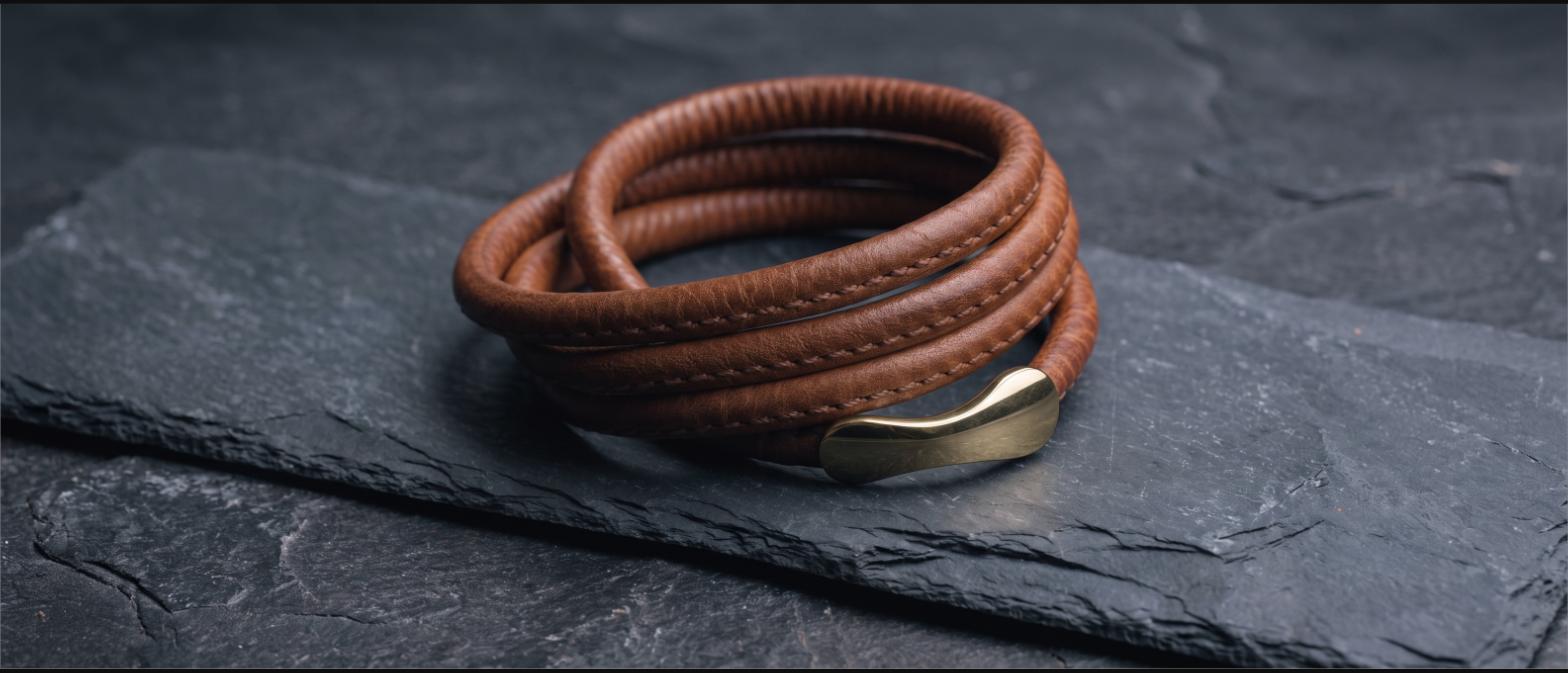
This is where the tradesman’s eye earns its keep. Look for full-grain leather rather than bonded or split, because bonded leather is essentially glued scrap and it delaminates. Look at the stitching that closes the roll, since that seam is the whole structure. Look for solid brass or stainless hardware, not plated zinc, which corrodes and then snaps at the worst moment.
And check how it is finished at the ends, where a cheap collar is usually just glued. A well-made rolled dog collar leather piece is stitched and burnished there, and it is the first thing worth checking before you spend money.

Watch: Top 5 Best Rolled Leather Dog Collars (YouTube)
Keeping It Alive
Leather dies from water and neglect, in that order. A dog that swims will soak a collar repeatedly, and if it dries hard it cracks. Rinse the salt or pond water off, let it dry away from a heater, and put a little leather conditioner on it a couple of times a year. Do that and a good collar will outlast several nylon ones, soften to the dog’s neck, and end up looking better at five years old than it did new.
That is the same reason we do not buy the cheapest fittings for a job. Something built properly and looked after simply costs less over time.
